

Everest Three Passes Trek
"THE ULTIMATE HIMALAYAN ADVENTURE"
20 Days
- 5,550m (18,209ft)
fROM
$2700
$2430
/PER PERSON
Trip Details
Trip Code
ETPT27
Duration
20 Days
Max. Altitude:
- 5,550m (18,209ft)
Group size
02-08
Best Season
October-December, February- May
Activity
treking
Meals
Breakfast, Lunch, Dinner
Accommodation
Hotel and Tea House Lodge
DIFFICULTY
Moderate
TRANSPORTATION
Private Van, Domestic flight
Trip Begins
Kathmandu
Trip Ends
Kathmandu
Trip Highlights
The Everest Three Passes Trek is one of the most challenging and rewarding trekking adventures in Nepal, offering an incredible journey through the heart of the Everest region. This trek is ideal for experienced trekkers looking to explore the Himalayas beyond the usual Everest Base Camp route. The journey typically begins with a scenic flight from Kathmandu to Lukla, followed by a walk through beautiful Sherpa villages, forested valleys, and rugged mountain trails. Along the way, you will pass through Phakding and Namche Bazaar, where you can experience local culture, enjoy mountain views, and take time to acclimatize before heading towards higher elevations.
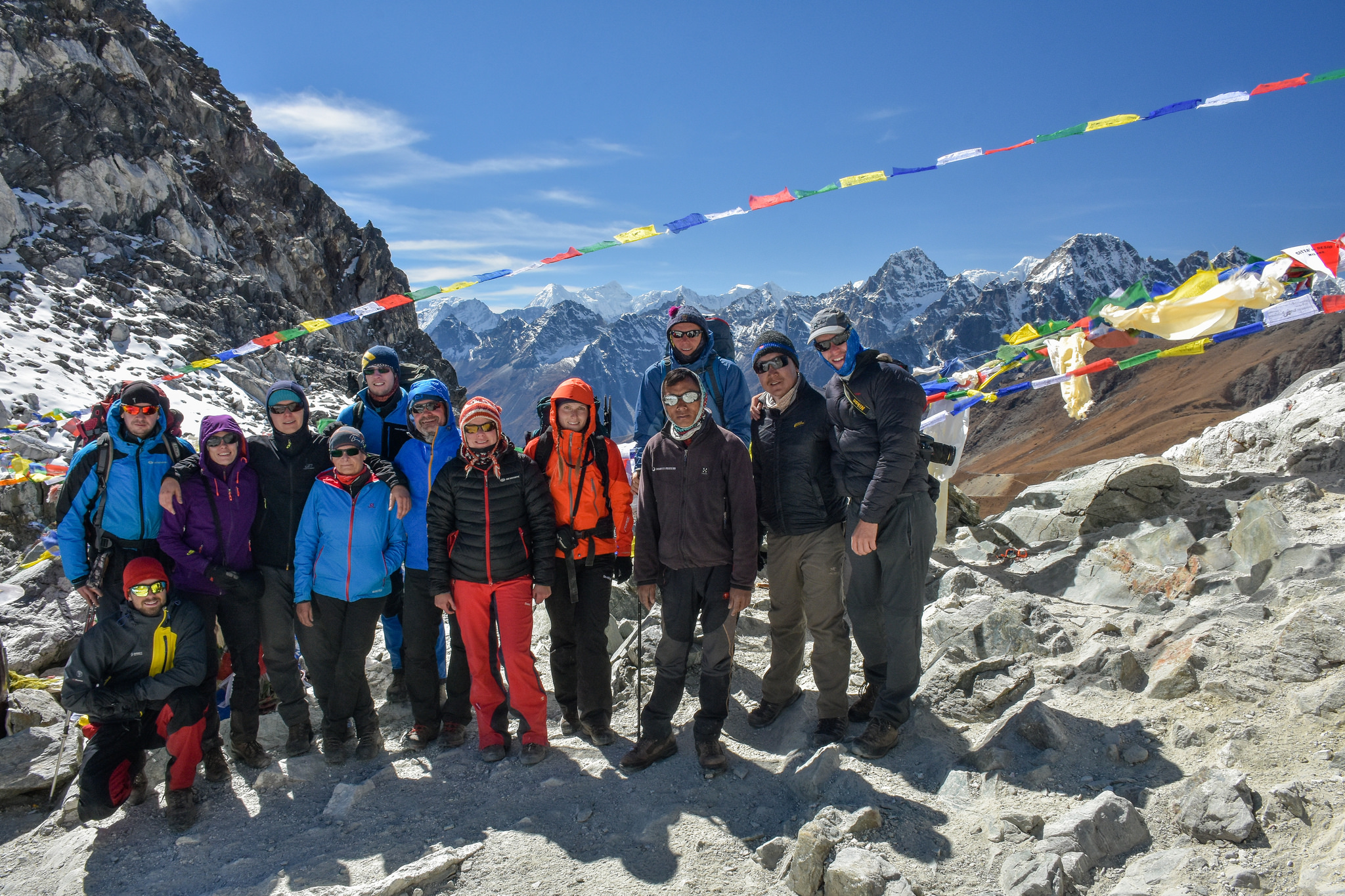
As the trek continues, you will explore some of the most spectacular landscapes in the Khumbu region, including remote valleys, traditional settlements, glacial lakes, and dramatic mountain scenery. The route crosses three major high-altitude passes: Kongma La at approximately 5,535 meters, Cho La at approximately 5,420 meters, and Renjo La at approximately 5,360 meters. Each pass presents its own challenges and rewards trekkers with breathtaking views of towering Himalayan peaks. Depending on the itinerary, the journey also includes iconic destinations such as Everest Base Camp, Kala Patthar, Gokyo Lakes, and the beautiful Gokyo Valley. Along the trail, you can experience the hospitality of the Sherpa people and discover the Buddhist traditions that remain an important part of life in the mountains.
The biggest highlight of the Everest Three Passes Trek is the opportunity to cross all three high mountain passes while exploring different parts of the Everest region. From the remarkable views of Mount Everest and surrounding peaks to the turquoise waters of the Gokyo Lakes, every section of the trek offers something unique. The journey requires good physical fitness, proper preparation, and sufficient time for acclimatization because of the high elevations and demanding terrain. For adventurous trekkers seeking a more challenging alternative to the standard Everest Base Camp Trek, this route offers an unforgettable combination of exploration, cultural experiences, and spectacular Himalayan scenery.
Here are some highlights of the Everest Three Passes Trek in Nepal:
1. Crossing the Three High Passes: Challenge yourself by crossing Kongma La (approximately 5,535 meters), Cho La (approximately 5,420 meters), and Renjo La (approximately 5,360 meters). Each pass offers a different perspective of the Himalayan landscape and makes this trek a rewarding adventure for experienced trekkers.
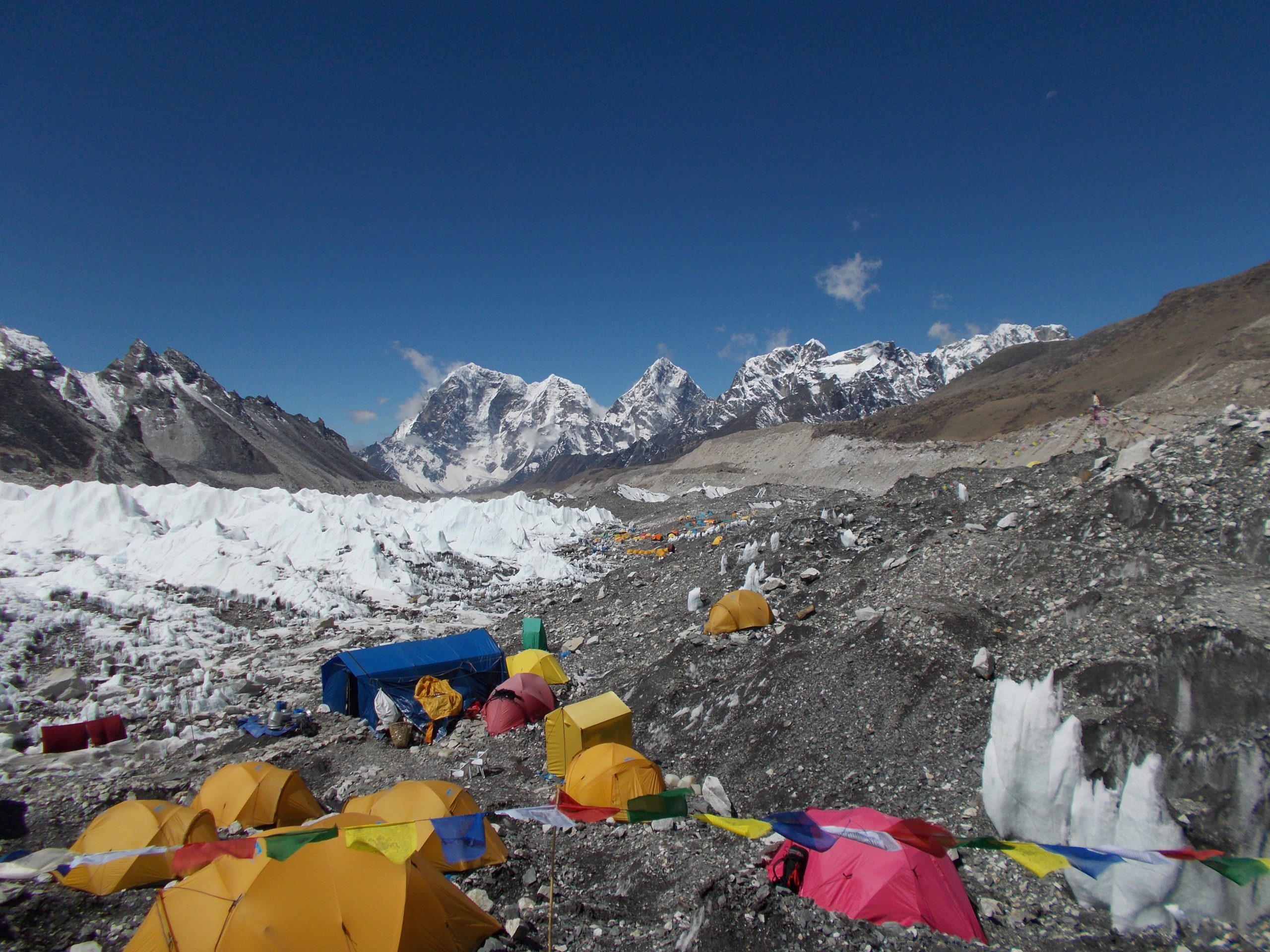
2. Everest Base Camp: Visit the famous Everest Base Camp at approximately 5,364 meters and experience the incredible surroundings of the Khumbu Glacier. This iconic destination offers a memorable opportunity to stand at the starting point of many Mount Everest climbing expeditions.
3. Kala Patthar Viewpoint: Hike to Kala Patthar, approximately 5,545 meters, for some of the best views of Mount Everest, Nuptse, Pumori, and other Himalayan peaks. On a clear morning, the mountain panorama is particularly impressive.
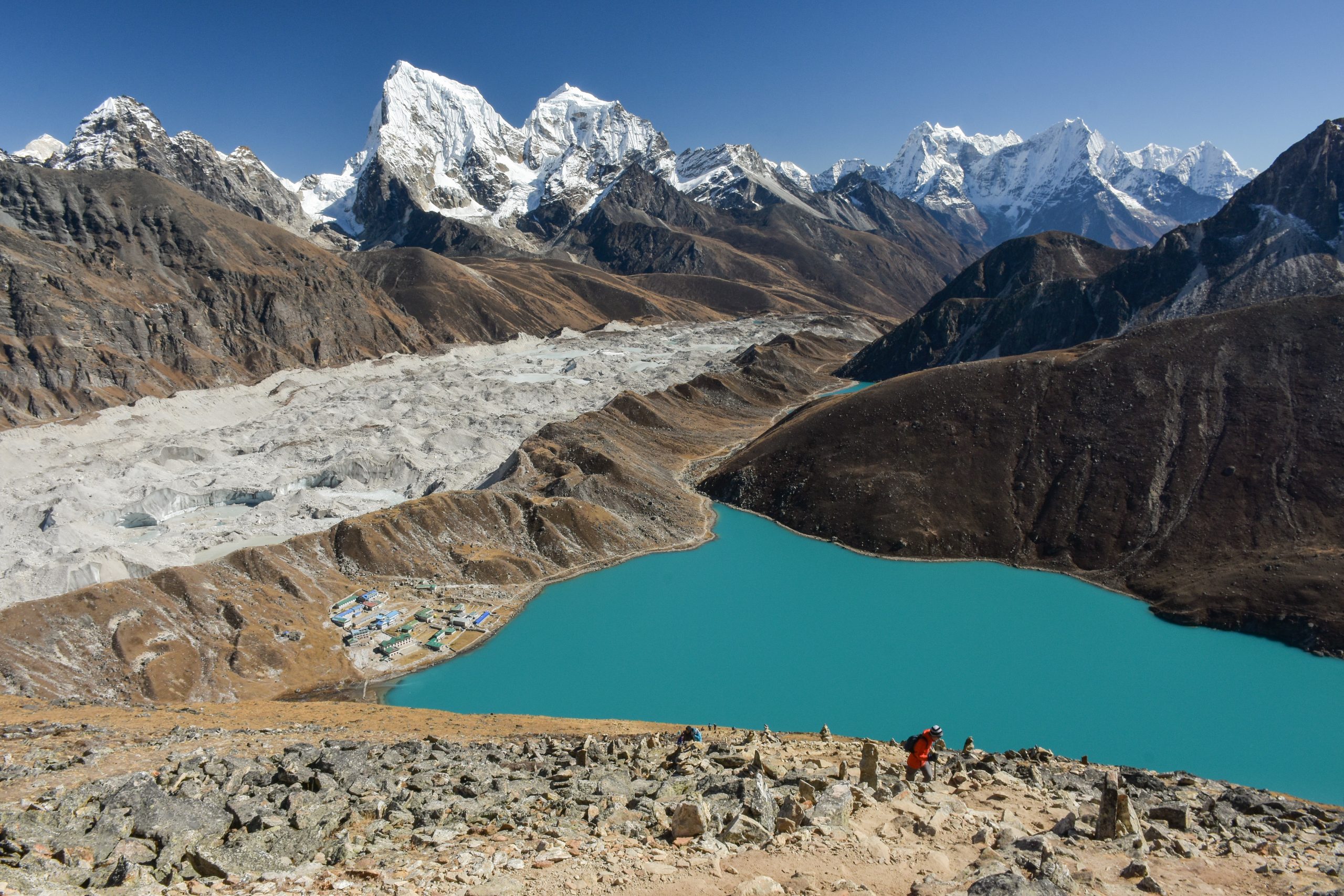
4. Gokyo Lakes and Gokyo Valley: Discover the beautiful turquoise lakes of Gokyo, surrounded by rugged mountains and glacial landscapes. The peaceful setting and striking colors of the lakes make this one of the most memorable sections of the trek.
5. Gokyo Ri Panoramic Views: Climb Gokyo Ri, approximately 5,357 meters, for spectacular views of Mount Everest, Cho Oyu, Lhotse, Makalu, and the surrounding Himalayan peaks, depending on weather and visibility.
6. Sherpa Culture and Traditional Villages: Explore traditional Sherpa settlements such as Namche Bazaar, Thame, and other villages along the chosen route. Visit Buddhist monasteries, observe colorful prayer flags, and learn about the customs and mountain lifestyle of local communities.
7. Sagarmatha National Park: Trek through Sagarmatha National Park, a UNESCO World Heritage Site known for its towering mountains, glaciers, alpine valleys, and unique wildlife. The park’s natural beauty adds another dimension to this remarkable trekking experience.
8. Remote Trails and Himalayan Landscapes: Travel beyond the most frequently visited sections of the Everest region and discover quieter valleys, rugged trails, suspension bridges, and dramatic glacial scenery. The changing landscapes provide excellent opportunities for photography and exploration.
9. Adventure and Personal Achievement: Take on one of Nepal’s most demanding trekking routes, with steep ascents, high-altitude passes, and long walking days. Proper training, a well-planned itinerary, and adequate acclimatization are essential for completing the journey safely.
Overall, the Everest Three Passes Trek is an extraordinary Himalayan adventure that combines high mountain challenges, breathtaking scenery, and authentic cultural experiences. From crossing the dramatic mountain passes to exploring Everest Base Camp and the beautiful Gokyo Lakes, every stage offers a new perspective on the Everest region. For experienced trekkers seeking a demanding and rewarding journey in Nepal, this trek provides an unforgettable experience among some of the world’s most spectacular mountains.
Trip Map
Trip Itinerary
Welcome to Himalayan country of Nepal. Upon your arrival at the Tribhuvan intl. airport our representative welcomes you and assists to transfer in your hotel in Kathmandu (1,400m). After time to get refreshed, evening you will meet and transfer for welcome dinner in one of the typical Nepalese restaurant in the heart of Kathmandu and after meal briefing about your trip. Overnight at Hotel.
Accommodation
3 Star Standard
Duration
30 Min
Meals
Dinner
Altitude
1,400m
Today, morning we will ready after your breakfast to head on for our relaxing guided day trip to world heritage sites in Kathmandu valley and visit the highlights of Kathmandu and the surrounding areas. We take you to visit the pilgrimage sites of Hindus temple Pashupatinath, one of the most important shrine of Shiva temples on the subcontinent which is place of thousand of devotees, Saddhus (holy men/Baba), and can be seen the cremating body most of the times in the holy riverbank of Bagmati. Hundreds of monkeys are giggling with you and take a time to exploring surrounding area and visit Bouddhanath stupa an another pilgrimage centre which is most popular and important place for Buddhist. You can explore with rounding prayer wheel and flattering colorful flag with melodious chanting noise. After your lunch at Bouddha visit Swoyambhunath stupa also known as monkey temple covering wide range of area with highest point of Kathmandu valley and enjoy the 360 degrees of valley view. After exploring the surrounding areas visit to Kathmandu Durbar Square which is old royal palace of Kathmandu and can be seen lot of temple, architectures and Kumari (living goddess) and walk in a freak street and late afternoon back to hotel and evening briefing about your trip, what is your responsibility, what to do and does not in the trek? Introduce with our fellow trekking staff and chances to ask remaining question and simply relax at the hotel. Overnight at hotel.
- 🏨 Accommodation: Hotel
- 🍽️ Meals: Breakfast and Lunch
- 🚗 Transportation: Private vehicle
- 🥾 Walking: Approximately 6 hours of sightseeing
- ⛰️ Altitude: 1,400m
Early morning fly to Lukla (2800m). Trek to Phakding around 3 hrs easy walk. Overnight at Tea house lodge.
- 🏨 Accommodation: Teahouse/Lodge
- 🍽️ Meals: Breakfast, Lunch and Dinner
- ✈️ Transportation: Approximately 30-minute flight
- 🥾 Walking: Approximately 3 hours
- ⛰️ Altitude: 2,600m
Early wake-up today because this is an exciting day. First part is pretty easy. It is a high altitude way so slow and steady walking will work best. You can see Mount Everest (Chomolungma) from the new style bridge crossing at Dudh Koshi . Keep walking up to Nauje (Namche Bazaar). We will have nice hot snacks in Nauje which has many Sherpa shops, lodges, and restaurants. Nauje (Sherpa name for Namche Bazaar) is a fun place for both Sherpas and trekkers to enjoy. Overnight at Tea house lodge.
- 🏨 Accommodation: Teahouse/Lodge
- 🍽️ Meals: Breakfast, Lunch and Dinner
- 🥾 Walking: Approximately 6 hours
- ⛰️ Altitude: 3,440m
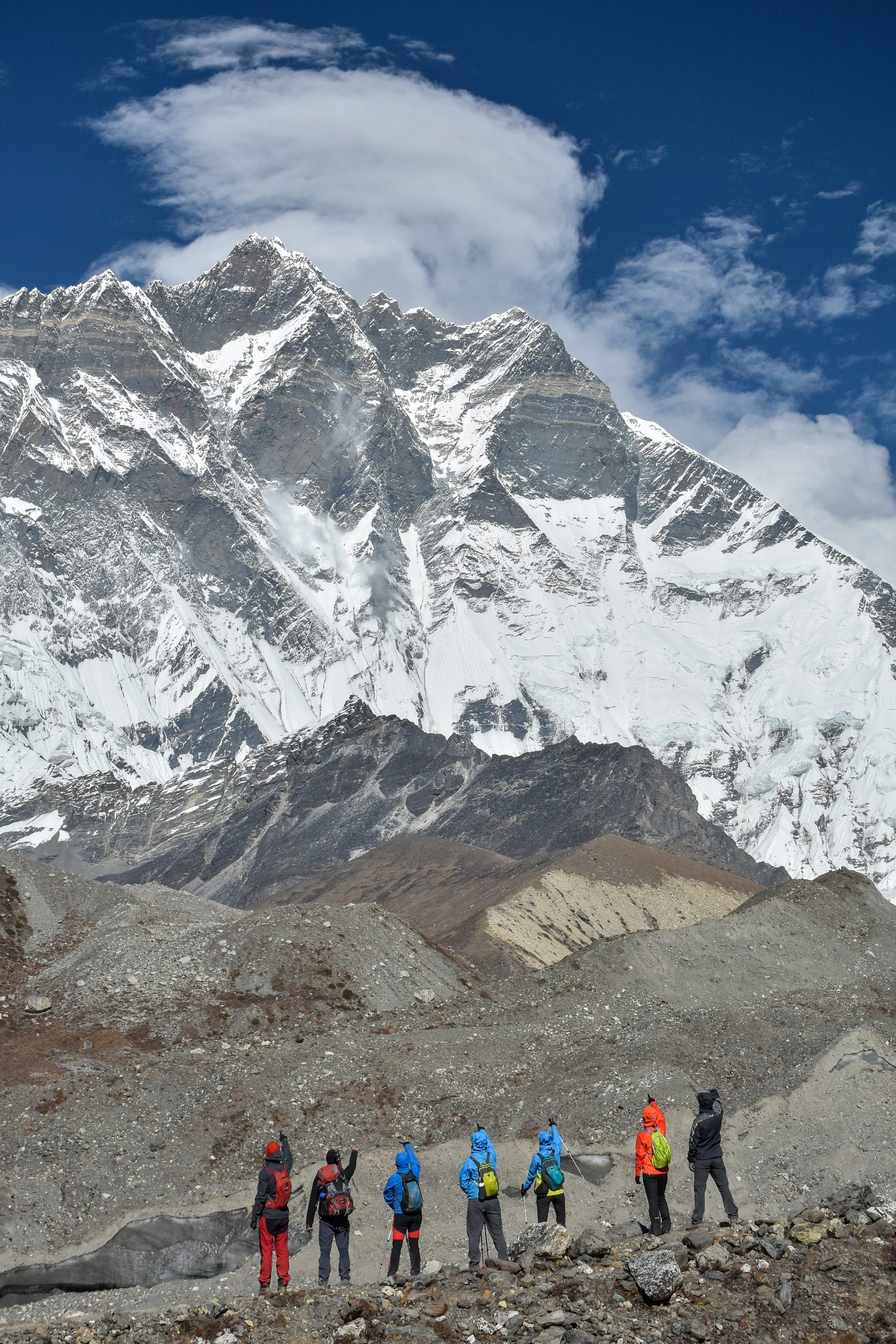
Acclimatization day which gives us time for a sightseeing tour or an excursion towards the village of Thame or Khumjung, which has fantastic view of Mt. Thamserku (6608 m), Ama-Dablam (6856 m), Mt. Lhotse (8510m), Mt. Everest (8848m), Mt. Nuptse (7861m), Island Peak (6189m), Mt. Tobuche (6367m), Mt. Kongde (6187 m) and Mt. Kusum Kanguru (6367 m).. Overnight at tea house lodge.
- 🏨 Accommodation: Teahouse/Lodge
- 🍽️ Meals: Breakfast, Lunch and Dinner
- 🥾 Walking: Approximately 5 hours, including the excursion
- ⛰️ Altitude: 3,440m
This day consists of walking about 5 hrs starting with sunshine great views of the Everest, Lhoste, Nuptse and Ama Dablam. There is a steep descent towards a bridge over the Dudh Kosi at (3250m), which is deepest valley after Namche and before Base Camp. Then we will be climbing up a zigzagging path through rhododendron bushes. Some superb mountain view towards Tengboche, famous for its legendary largest monastery in Khumbu. Overnight at tea house lodge.
- 🏨 Accommodation: Teahouse/Lodge
- 🍽️ Meals: Breakfast, Lunch and Dinner
- 🥾 Walking: Approximately 5 hours
- ⛰️ Altitude: 3,870m
Walking around 5 hrs with an easy descent through woods towards a suspension bridge over the Imja Khola river, then a steady climb up to Pheriche via Pangboche (3930m) that houses the most ancient monastery in the region and continue to Dingboche. Overnight at tea house lodge.
- 🏨 Accommodation: Teahouse/Lodge
- 🍽️ Meals: Breakfast, Lunch and Dinner
- 🥾 Walking: Approximately 5 hours
- ⛰️ Altitude: 4,389m
Day hike to Nangkartshang Ri (5070m). It offers great views of Lhotse, Island Peak, Kali Himal, Amadablam. Overnight at tea house lodge.
- 🏨 Accommodation: Teahouse/Lodge
- 🍽️ Meals: Breakfast, Lunch and Dinner
- 🥾 Walking: Approximately 4 hours
- 🏔️ Highest Point: 5,070m (Nangkartshang Ri)
- 🌙 Overnight Altitude: 4,389m
Continue towards Chhukung through the beautiful Imja Valley. The trail gradually climbs through rocky landscapes and open alpine terrain, with impressive views of Lhotse, Island Peak, and surrounding glaciers. Upon reaching Chhukung, settle into your lodge and prepare for the challenging Kongma La Pass crossing.
- 🏨 Accommodation: Teahouse/Lodge
- 🍽️ Meals: Breakfast, Lunch and Dinner
- 🥾 Walking: Approximately 3–4 hours
- ⛰️ Altitude: 4,756m
We are going to start the trek very early morning. We will cross the highest part of the entire trip which is Kongma La pass. It takes 8-9 hours walk via Kongma La pass (5535m.) from top of Kongma La pass you can see spectacular view and the trail turns north through Khumbu Glacier which takes us to Lobuche. Overnight at tea house lodge.
Note: We can keep optional trek plan visa Dingboche – to lobuche.
- 🏨 Accommodation: Teahouse/Lodge
- 🍽️ Meals: Breakfast, Lunch and Dinner
- 🥾 Walking: Approximately 8–9 hours
- 🏔️ Highest Point: 5,535m (Kongma La Pass)
- 🌙 Overnight Altitude: 4,910m
Walking in the Khumbu valley alongside of Khumbu Glacier and after Ghorakshep walking either along or on the glacier. It is difficult to breathe here due to high altitude and we spend some time at EBC than back to Ghorakshep. Overnight at tea house lodge.
- 🏨 Accommodation: Teahouse/Lodge
- 🍽️ Meals: Breakfast, Lunch and Dinner
- 🥾 Walking: Approximately 6–7 hours
- 🏔️ Everest Base Camp: 5,364m
- 🌙 Overnight Altitude: 5,190m
Wake up early in the morning and walk up to Kalapatthar for sunrise view of Everest, Nupse, Lohtse, Pumori just above and Khumbutse and beautiful views of Khumbu glacier and back down to lodge and walk down to Dzonglha via Lobuche. Overnight at tea house lodge.
- 🏨 Accommodation: Teahouse/Lodge
- 🍽️ Meals: Breakfast, Lunch and Dinner
- 🥾 Walking: Approximately 6–7 hours
- 🏔️ Highest Point: 5,550m (Kala Patthar)
- 🌙 Overnight Altitude: 4,830m
This is quite long walk about 8 hours where we start early morning with packed lunch and trek uphill and turn east with boulders and steep climbing upto pass. Pass is always with ice, sometimes with deep snow and then walk down to Thangnak. Overnight at tea house lodge.
- 🏨 Accommodation: Teahouse/Lodge
- 🍽️ Meals: Breakfast, Lunch and Dinner
- 🥾 Walking: Approximately 8 hours
- 🏔️ Highest Point: Approximately 5,420m (Cho La Pass)
- 🌙 Overnight Altitude: 4,700m
Just 2 hours walking distance over the glacier will take us to Gokyo and we can explore around Gokyo Valley. Overnight at tea house lodge.
- 🏨 Accommodation: Teahouse/Lodge
- 🍽️ Meals: Breakfast, Lunch and Dinner
- 🥾 Walking: Approximately 2–3 hours
- ⛰️ Altitude: 4,790m
Walking about 3 hours to explore around. Wake up early morning to hike up Gokyo ri (5483m) for 360 degrees view that includes Mt. Everest and Mt. Makalu. Late morning we will be back to Gokyo. Rest in the afternoon. Overnight at tea house lodge.
- 🏨 Accommodation: Teahouse/Lodge
- 🍽️ Meals: Breakfast, Lunch and Dinner
- 🥾 Walking: Approximately 3–4 hours
- 🏔️ Highest Point: 5,483m (Gokyo Ri)
- 🌙 Overnight Altitude: 4,790m
Early morning after breakfast, first part is quite easy before we start climbing to Renjo la pass (5360m). We can see amazing view from the pass including Mt. Everest, Lhotse, Cholatse and Taboche. After the pass the trail winds down a stone staircase, the presence of ice on the trail while descending down can make our descent a bit hazardous, we pass through Relama Tsho and Renjo Lake. We will stop at Marlung (4210m). Overnight at tea house lodge.
- 🏨 Accommodation: Teahouse/Lodge
- 🍽️ Meals: Breakfast, Lunch and Dinner
- 🥾 Walking: Approximately 7 hours
- 🏔️ Highest Point: 5,360m (Renjo La Pass)
- 🌙 Overnight Altitude: 4,210m
Walking about 5 hours. After breakfast we descend down to the Thame through the beautiful valley. After lunch we continue trek to Namche. Overnight at tea house lodge.
- 🏨 Accommodation: Teahouse/Lodge
- 🍽️ Meals: Breakfast, Lunch and Dinner
- 🥾 Walking: Approximately 5–6 hours
- ⛰️ Altitude: 3,440m
Trek back to Lukla. We will finish our great journey at about 6 hours from the highest mountain. Overnight at tea house lodge.
- 🏨 Accommodation: Teahouse/Lodge
- 🍽️ Meals: Breakfast, Lunch and Dinner
- 🥾 Walking: Approximately 6 hours
- ⛰️ Altitude: 2,800m
Early morning fly back to Kathmandu. Free day for shopping. Overnight at hotel.
- 🏨 Accommodation: Hotel
- 🍽️ Meals: Breakfast
- ✈️ Transportation: Approximately 30-minute flight
- ⛰️ Altitude: 1,400m
Your Everest Three Passes Trek comes to an end today. A representative from 14 Summits Expedition will transfer you to Tribhuvan International Airport according to your flight schedule. Take home unforgettable memories of the three high passes, Everest Base Camp, Gokyo Lakes, and the spectacular Himalayan landscapes.
Thank you for choosing 14 Summits Expedition. We hope to welcome you again for another Himalayan adventure!
- 🏨 Accommodation: Not included
- 🍽️ Meals: Breakfast
- 🚗 Transportation: Hotel to airport transfer
Trip dates
Select your preferred date
Monday
-
Sunday
Feb 01, 2027
-
Feb 21, 2027
20 Days
|
Group size:
02-10
Guaranteed
$2,250.00
No departures listed for this month yet.
Please select another month.
What's Included
- Arrival and Departure: Airport - Hotel transfer – Airport (Pick Up and Drop)
- Accommodation in Kathmandu (3 nights in 2-3 star level tourist standard hotel with breakfast included, other possibilities on demand)
- Welcome Dinner: One Welcome Dinner in tourist standard restaurant in Kathmandu with Office’s Staffs.
- Sightseeing tour with an experienced local guide
- All land transfer as per given itinerary
- Sagarmatha National Park Conservation entry permit fees
- Accommodation during the trek: Teahouses (twin rooms)
- Meals (3 meals / B.L.D) while on the trek (possible to choose the opiton including only breakfast and order lunch and dinner individually from the teahouse menu)
- Experienced English speaking guide / tour leader, experienced local helpers
- Map: Trekking map.
- Program according to the itinerary
- Wages, food, accommodation, equipment, insurance and other facilities for staff members
- Comprehensive Medical kit for members and staff.
- Government tax and Company service charges
What's Not Excluded
- Air Fare: International flight airfare (from and to Kathmandu).
- Nepal entry Visa fee: Nepali Visa fee $50 USD per person for 30 days (to be applied for 60 days is $100 USD).
- Insurance: Travel and high altitude insurance, accident, Helicopter medical & emergency evacuation. *Mandatory
- Entrance fees for monasteries, temples, world heritage sites.
- Lunch & Dinner: Lunch & dinner during the stay in Kathmandu (also in case of early return from Trekking /
- Extra night in Kathmandu: Extra nights’ accommodation in Kathmandu. In case of early arrival or late departure, early return from Trekking
- Personal Expenses: Telephone Calls, Internet, Toiletries, battery recharge, hot shower, laundry, soft drinks, beers, and any Alcoholic beverages (during the trek and in Kathmandu).
- Personal Equipment: Clothing, Packing Items or Bags, Personal Medical Kit, Personal Trekking Gears.
- Toiletries: Soaps, shampoos, toilet and tissue papers, toothpaste, and other items used to keep yourself clean.
- Filming: Special Filming, Drone permit fee and Photography charges (if and when applicable).
- Extra: Any other services or activities, which are not mentioned in the itinerary.
- Tips to guides, restaurants, hotel lobby, porters and trekking staff. (Tipping is expected.)
What to Expect
Accommodation:
We will be staying at 2/3 star hotel in Kathmandu, and in tea-houses during the trek. All rooms are on twin-shared basis. Single bedroom will be arranged on request and will cost additional. Fourteen Summits will arrange rooms with attached washrooms; however, tea-houses at some places only have shared washing and toilet facilities. Also note that single rooms are readily available in Kathmandu and in trekking regions at lower elevation but it might be difficult to find them at higher altitude.
Meals:
All meals will be provided during trekking (On demand, we can arrange only breakfast during the trek and trekkers can order lunch and dinner individually from the tea-house menu). In Kathmandu, breakfast will be available. There will also be welcome and farewell dinners taking place for guests. While on trek, we have breakfast and dinner in the tea-houses/lodges where we spend the night and lunch on our way to next destination. Authentic Nepalese, Tibetan, continental meals and Indian cuisine are common choices in the menu.
Physical Condition & Experience Requirements:
Everest High Passes trek is a moderate trek. Travelers who can walk up to 5-6 hours a day on an uphill and downhill trail will consider this trip fulfilling and enjoyable. It is a good idea to prepare for the trek by jogging and exercising regularly at least for a month prior to the start. Trekking to the Everest High Passes should be relatively moderate for those who have experience in walking/trekking in high altitudes. Determination, good physical health, positive attitude and average physical fitness are good preconditions for a successful accomplishment of the trek. Participants with pre-existing medical conditions such as heart, lung, and blood diseases should inform Fourteen Summits before booking the trek.
Best Time to Travel:
The best time for trekking to Everest High Passes Trek is during spring (March to May) and autumn (September to November). The temperature is moderate and guarantees amazing views throughout the trip.
Trekking Gear List
Travel Documents
1 items recommended for this trek
Medicine / First Aid Kits
0 items recommended for this trek
No gear items available in this category.
Upper Body
0 items recommended for this trek
No gear items available in this category.
Lower Body
0 items recommended for this trek
No gear items available in this category.
Foot Wear
0 items recommended for this trek
No gear items available in this category.
Hand
0 items recommended for this trek
No gear items available in this category.
Head
0 items recommended for this trek
No gear items available in this category.
Sun Stuff
0 items recommended for this trek
No gear items available in this category.
Eating & Drinking
0 items recommended for this trek
No gear items available in this category.
Toiletries
0 items recommended for this trek
No gear items available in this category.
Sleeping Stuffs
0 items recommended for this trek
No gear items available in this category.
Bag Packs
0 items recommended for this trek
No gear items available in this category.
Miscellaneous
0 items recommended for this trek
No gear items available in this category.
Climbing Equipment
0 items recommended for this trek
No gear items available in this category.
Trip Logistics & Faqs
The complete circuit generally requires around three weeks, factoring in time for acclimatization and rest days to adjust to the high-altitude environment. This extended duration ensures a safe and well-paced journey through the demanding terrain.
The optimal seasons are spring (March to May) and autumn (September to November), when conditions are stable, skies are clear, and visibility is at its best. Winter treks can be extremely cold, and monsoon season brings heavy rainfall, making crossings dangerous.
The Three Passes Trek is significantly more demanding than the Everest Base Camp trek due to its steep ascents, unpredictable weather, and technical pass crossings. Prior trekking experience at high altitude is highly recommended.
Given that several sections exceed 5,000m, altitude sickness is a major concern. Proper acclimatization days, slow pacing, and hydration are crucial. Carrying medications like Diamox and being aware of symptoms such as dizziness, nausea, and headaches can help prevent serious conditions.
The highest point on the itinerary is Kala Patthar, at approximately 5,545 metres. It is one of the best viewpoints in the Everest region, offering spectacular views of Mount Everest, Nuptse, Pumori, and other surrounding peaks. You will also cross three high passes above 5,300 metres and visit Everest Base Camp at 5,364 metres. Spending time at these elevations makes proper acclimatization and a steady walking pace especially important.
While experienced trekkers may attempt the route independently, hiring a licensed guide and porter is highly recommended due to the remote nature, difficult crossings, and unpredictable conditions of the three passes. A guide also helps with navigation and safety precautions.
The permits required for the trek includes: Sagarmatha National Park Entry Permit ,Khumbu Pasang Lhamu Rural Municipality Permit and Gokyo Lakes Permit (if passing through the Gokyo region).
Teahouses and lodges are available throughout the route, offering basic rooms with twin beds and shared bathrooms. Higher altitudes have more rudimentary facilities, but warm meals and a cozy atmosphere are provided in every settlement.
Preparation should include cardio training (hiking, running, or cycling), leg strength workouts, and altitude training if possible. Trekkers should be comfortable with 6–8 hours of walking per day, sometimes on steep or icy terrain.
The essential items to pack for this trek includes: Layered clothing for temperature changes ,A high-quality sleeping bag (rated for -15°C or lower) ,Sturdy trekking boots with ankle support, Trekking poles for stability Sunglasses, sunscreen, and head protection for high-altitude sun exposure ,First-aid kit and altitude sickness medication.
At night, temperatures can drop to -20°C or lower, especially at Gokyo, Kongma La, and Kala Patthar. During the day, temperatures vary but can be cold and windy at high passes. Dressing in multiple insulating layers is key to staying warm.
Similar Packages
16 Days
11 Days