

Manaslu Expedition (8,163m) – 2026 / 2027
Duration
38 days
Activities
Climbing and Trekking
Max Altitude
8,163 m (26,781 ft)
Group Size
02-15
Expedition Overview
Facts of the trip
-
-
Arrival On
Kathmandu, Nepal
-
Departure From
Kathmandu, Nepal
-
Accommodation
Hotel, Teahouse Lodge - Tented Camp
-
Meals
Breakfast, Lunch, Dinner
-
Best Time
September - October / March - May
-
Transportation
Private Car, Jeep, Domestic Flight
Manaslu Expedition (8,163m) – 2026/2027
Standing tall in the Nepalese Himalayas, Mount Manaslu (8,163m) is the eighth-highest mountain in the world. Known locally as the “Mountain of the Spirit,” the Manaslu Expedition (8,163m) offers a thrilling challenge for mountaineers who want to climb an 8,000-meter peak. Located in the Gorkha district of Nepal, this towering giant is often chosen by high-altitude climbers as an essential stepping stone before attempting Mount Everest.
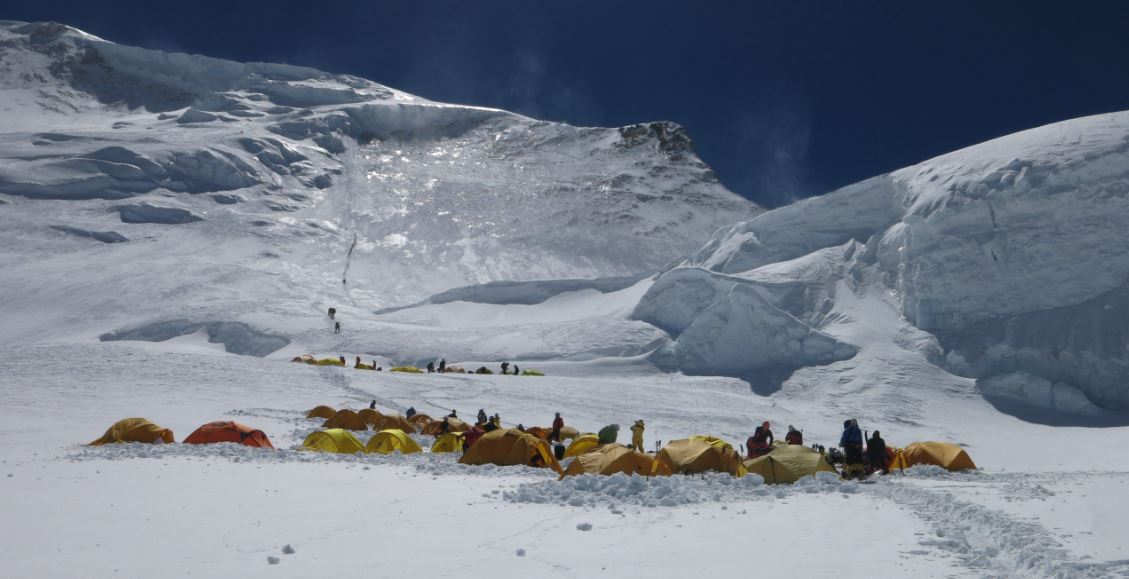
In this ultimate guide, we will cover everything you need to know about climbing Mount Manaslu—from permit requirements and costs to training tips, weather windows, and safety protocols.
Overview of Mount Manaslu
| Metric / Detail | Quick Facts |
| Elevation | 8,163 meters (26,781 feet) |
| Location | Mansiri Himal, Gorkha District, Nepal |
| First Ascent | May 9, 1956 (Toshio Imanishi and Gyalzen Norbu) |
| Best Climbing Seasons | Autumn (September–October) & Spring (April–May) |
| Standard Climbing Route | Northeast Ridge / North Face |
| Technical Difficulty | Advanced High-Altitude Mountaineering |
| Trip Duration | 30 to 42 Days |
Best Time for the Expedition
- Autumn (September to November): This is the primary climbing season for Manaslu. Weather conditions are generally stable, with crisp skies and favorable snow cover on the upper slopes.
- Spring (March to May): A viable alternative season, though more popular for Everest attempts. Snow conditions can be deeper, and wind patterns vary.
Itinerary
Day 10 to Day 31:
# After 10-11 days trek from Arughat (570m) we will reach to Manaslu Base Camp (4800m). We wil spend couple of days at Base camp before heading to Camp I.
# We set up Camp I (5700n) above the glacier on a protected area. While climbing to Camp I, we use fixed ropes and carefully follow the route marker over the glacier.
# Camp II (6400m) is located at the safe section.
# It is short climb from Camp II to Camp III (6800m) also known as intermediate camp.
# Climbing to Camp IV (7300m), which is last camp on our Manaslu Expedition. Traditionally there are 3 camps above base camp C1 (5,500m), C2 (6,300m) and C3 (7,300 m). While climbing we climb through varies from glacier crossings to steep snow steps and requires a good understanding of basic alpine climbing techniques.
Check Available Dates
| Start | Finish | Duration | Gurop Size | Price | Status | |
|---|---|---|---|---|---|---|
| 03/09/2026 | 10/10/2026 | 38 | 02-15 |
From
$15500 |
guaranteed | |
| 07/10/2026 | 10/10/2026 | 38 | 02-15 |
From
$15500 |
guaranteed |
Cost Details
What's Included
- All land transportation arrival and departure transfer services to and from Airport both Domestic and International with other necessary surface transport as per itinerary.
- Assistance at the International airport by Utmost Adventure Trekking’s representative while arriving and departing.
- 4 Nights Hotel accommodations in Kathmandu at 3 star Hotel on Bed & Breakfast plan (before & after expedition).
- Schedule transportation Kathmandu - Manaslu Base Camp - Kathmandu for member, Liaison officer & Expedition staffs.
- Transport of food supply & expedition equipment to Base Camp & back.
- Full board in lodges during trekking to base camp and back.
- Base Camp single sleeping tent & Mattress for each member.
- All kitchen tent, store tent, dining tents, toilet tent, table, chairs & cooking utensils for BC.
- Fresh Food (we serve hygienic foods) and fuel at Base Camp.
- High Tents above Base Camp. C1, C2, C3. High altitude food and fuel above Base Camp.
- Oxygen & Mask and regulator (will be provided 3 oxygen bottle per clients).
- Sat Phone available at Base Camp, but nominal charge for use.
- There will be one personal professional climbing guide while climbing.. one Sherpa climber for one person
- Service of Government Liaison Officer.
- Service of cook and kitchen boy at Base Camp.
- Equipment allowance, daily wages of cook, kitchen boys & Liaison officer.
- Insurance of cook, kitchen boy, Liaison Officer and porters.
- Expedition Permit fee of Mt. Manaslu.
- Annapurna Conservation Entry Permit, Manaslu Conservation Entry Permit
- 2 Expedition duffel bag for each member.
- Generator or Solar panel at Base Camp for light and charging.
- Agency service charge and Tax
WHAT'S NOT INCLUDED
- International airfare from/to your country.
- Nepal entry visa fee (can be obtained at the airport at upon arrival).
- Lunch and dinner during your stay in Kathmandu.
- Hotel after 4 nights stay in Kathmandu.
- Personal climbing gear and equipment above Base Camp.
- Personal insurance such as travel, accident, medical, emergency evacuation & lost luggage.
- Applicable permit fees & customs charges, etc. for SAT phone, communication equipment & commercial filming.
- Expenses of personal nature such as drinks, laundry, postage, telephone etc.
- Tips and summit bonuses.
- Garbage deposit (Refundable)
What to Expect
Accommodation:
We will be staying at 2/3 star hotel in Kathmandu, and fully camping basis while trekking and climbing. All rooms are on twin-shared basis. Single bedroom will be arranged on request and will cost additional. 14 Summits will arrange rooms with attached washrooms; however, while camping there will be tented shower and bathroom.
Meals:
In Kathmandu, breakfast will be available. All meals will be provided during climbing including tea, coffee prepared by our cook. There will also be welcome and farewell dinners taking place for guests. While on trek, we have breakfast and dinner in the camp where we spend the night and lunch on our way to next destination. Authentic Nepalese, Tibetan, continental meals are common choices in the menu.
Physical Condition & Experience Requirements
Mount Manaslu Expedition is a strenuous expedition. Climbers who can walk/climb up to 5-6 hours a day on an uphill and downhill trail will find this expedition fulfilling. It is best that we prepare ourselves for the Manaslu Expedition by climbing, jogging and exercising regularly at least couple months prior to the start of the expedition. Climbing to the Mt. Manaslu should be relatively fine for those who have experience climbing/trekking in a high altitude environment. Past climbing, hiking experience would be an asset because technical skill is required for this trip. Participants with pre-existing medical conditions such as heart, lung, and blood diseases should inform 14 Summits before booking the trek.
Equipment List
14 Summit has compiled a list of necessary equipment, personal medical supplies and symptoms of medical condition likely to face during trekking / peak climbing. Also, please do understand that items listed below should be considered as an essential summary.
We highly recommend you to be familiar with all of your equipment and basic understanding of medical Conditions related to high elevation.
Your document to travel to Nepal:
-
Valid passport: Must have at least 6 months of validity remaining from your travel date.
-
Passport-size photos: Bring 2 extra physical photos for permit forms and visa processing.
-
Airline tickets: Printed or digital copies of your round-trip flight itineraries.
-
Tourist Visa Form: Readily obtainable and filled out upon arrival at Kathmandu airport.
-
Document photocopies: Separate printed copies of your passport data page and visa form kept in a safe compartment.
-
US Dollars in cash: Crisp, undamaged USD bills reserved specifically for purchasing your Nepalese visa on arrival at Kathmandu airport.
-
Cards & funds: Credit cards along with bank/ATM cards for making withdrawals from cash machines in Kathmandu.
Accessories:
-
Sleeping bag: Rated to 0°F (-18°C) or colder for extreme high-altitude temperatures.
-
Headlamp: Includes spare bulbs and extra batteries.
-
Lock: Small padlock or combination lock to secure your trek bag.
-
Basic first-aid kit: Personal medical supplies (refer to the Health and Medicinal checklist).
-
Large plastic bags: Used to line your trek bag and keep all gear completely dry.
-
Daypack: 30 to 50 liters (approximately 2,500 to 3,000 cubic inches) for daily essentials during the trek.
-
Water bottles: Reusable bottles capable of holding hot water.
-
Toiletries: Personal grooming and hygiene items.
-
Small wash towel: Compact and fast-drying towel.
-
Raincoat: Waterproof and windproof outer shell jacket.
Personal Clothing items
Head:
- Sun hat or scarf
- Light balaclava or warm fleece hat
- Sunglasses with UV protection
Upper Body:
- T-shirts
- Weight thermal tops
- Fleece jacket or pullover
- Fleece Wind-Stopper jacket (optional)
- Waterproof (preferably breathable fabric) shell jacket
- Down vest and/or jacket (optional)
Hands:
- Lightweight gloves
- Heavyweight gloves or mittens with a waterproof shell outer
Lower Body:
- Underwear
- Hiking shorts
- Lightweight cotton long pants
- Light and expedition weight thermal bottoms
- Fleece or wool pants
- Waterproof (preferably breathable fabric) shell pants
Feet:
- Thick, warm wool hiking socks
- Hiking boots with spare laces
- Camp shoes (sneakers and/or sandals)
Personal Hygiene:
-
Sun protection: Two tubes of lip sun cream, at least one large tube of regular sun cream (minimum SPF 30), and after-sun lotion for sunburn relief.
-
Dental care set: One toothpaste and toothbrush set.
-
Hand sanitizer: One bottle of hand sanitizer gel.
-
Towel: One quick-drying synthetic towel.
Medical Supplies:
-
Personal prescription medications: Inform your expedition leader of any medical issues prior to the climb.
-
Small personal first-aid kit (simple and light): Include first-aid tape, plasters (Band-Aids), alcohol-free wipes for cuts, and personal medications. (Note: Expedition leaders will carry more extensive medical supplies)
-
Skin blister repair kit: One complete kit for treating foot and skin blisters.
-
Anti-diarrhea pills: One regular package (such as Imodium).
-
Anti-headache medication: One regular package (such as Aspirin or Ibuprofen).
-
Cough and cold medicine: One small bottle.
-
Antibiotics for chest infection: One full course (available locally at chemist shops or pharmacies without a doctor’s prescription).
-
Antibiotics for stomach infection: One full course (available locally at chemist shops or pharmacies without a doctor’s prescription).
-
Anti-altitude sickness medication: One small bottle of Diamox (Acetazolamide) (available locally; consult your doctor or expedition team for usage guidelines).
-
Water purification tools: One small bottle of water purification tablets (containing both silver-ions and chlorine), a water filter, or a UV sterilizer.
-
Earplugs: For quiet sleep in high camps and tents.
-
Extra prescription glasses or contact lenses: Contact lens wearers must bring a backup pair of glasses for emergency situations.
Photo and Video


